
Rise of Assam Tea Industry
The Beginning of the World's Finest Tea Heritage
The Birth of Assam's World-Famous Tea Industry
The year 1837 marked the beginning of one of the most remarkable chapters in Assam's economic and cultural history. With the establishment of the first commercial tea garden at Chabua, Assam emerged as the birthplace of India's tea industry. Blessed with fertile soil, abundant rainfall, and a favorable climate, the region soon became internationally renowned for producing premium-quality black tea, transforming Assam into one of the largest tea-producing regions in the world.
The Discovery of Indigenous Tea
The history of the Assam Tea Industry began in the early nineteenth century when British explorers discovered wild tea plants growing naturally in the dense forests of Upper Assam. Unlike the tea plants imported from China, these native plants belonged to the species Camellia sinensis var. assamica, a variety well adapted to the warm, humid climate of the Brahmaputra Valley. This discovery would eventually change not only the economy of Assam but also the global tea trade.
During this period, the British East India Company relied heavily on tea imports from China. Finding a suitable tea plant within India offered an opportunity to reduce dependence on Chinese tea and establish a profitable plantation industry. Assam's fertile alluvial soil, heavy monsoon rainfall, and tropical climate proved ideal for cultivating tea on a large scale.

The First Tea Garden at Chabua
In 1837, the first experimental tea garden was established at Chabua, near Dibrugarh in Upper Assam. This plantation marked the beginning of India's organized tea industry and demonstrated that commercial tea cultivation could successfully flourish in Assam.
The success of the Chabua plantation encouraged British investors and tea companies to establish more gardens throughout the Brahmaputra Valley. Within a few decades, hundreds of tea estates were operating across Assam, transforming vast stretches of forest into productive tea plantations.
Expansion of Tea Plantations
Following the success of the early plantations, tea cultivation spread rapidly across districts such as Dibrugarh, Tinsukia, Jorhat, Golaghat, Sonitpur, Sivasagar, and Cachar. The British invested heavily in plantation infrastructure, including roads, warehouses, factories, and transportation networks to export tea efficiently.
Railways and river transport played a significant role in carrying processed tea from Assam to the ports of Kolkata, from where it was shipped to Europe and other parts of the world. By the late nineteenth century, Assam had become one of the leading tea-producing regions globally.

Growth of the Tea Economy
The tea industry quickly became the backbone of Assam's economy. Large plantations created employment opportunities for thousands of workers, many of whom were brought from different parts of India to work in the tea estates. Entire townships developed around tea gardens, contributing to the growth of markets, transportation, education, and local businesses.
Tea exports generated substantial revenue for the British administration and placed Assam on the international trade map. The state's economy became closely linked with the global demand for high-quality black tea, making Assam one of the world's most recognized tea-producing regions.
Unique Characteristics of Assam Tea
Assam Tea is internationally famous for its bold flavor, rich malty taste, bright liquor, and deep amber color. The unique combination of fertile soil, humid climate, and abundant rainfall gives Assam Tea its distinctive character, making it a preferred choice for breakfast blends and premium black teas worldwide.
Today, Assam Tea is exported to numerous countries and enjoys a strong reputation among tea lovers. It remains one of India's most valuable agricultural products and a symbol of quality in the global tea market.
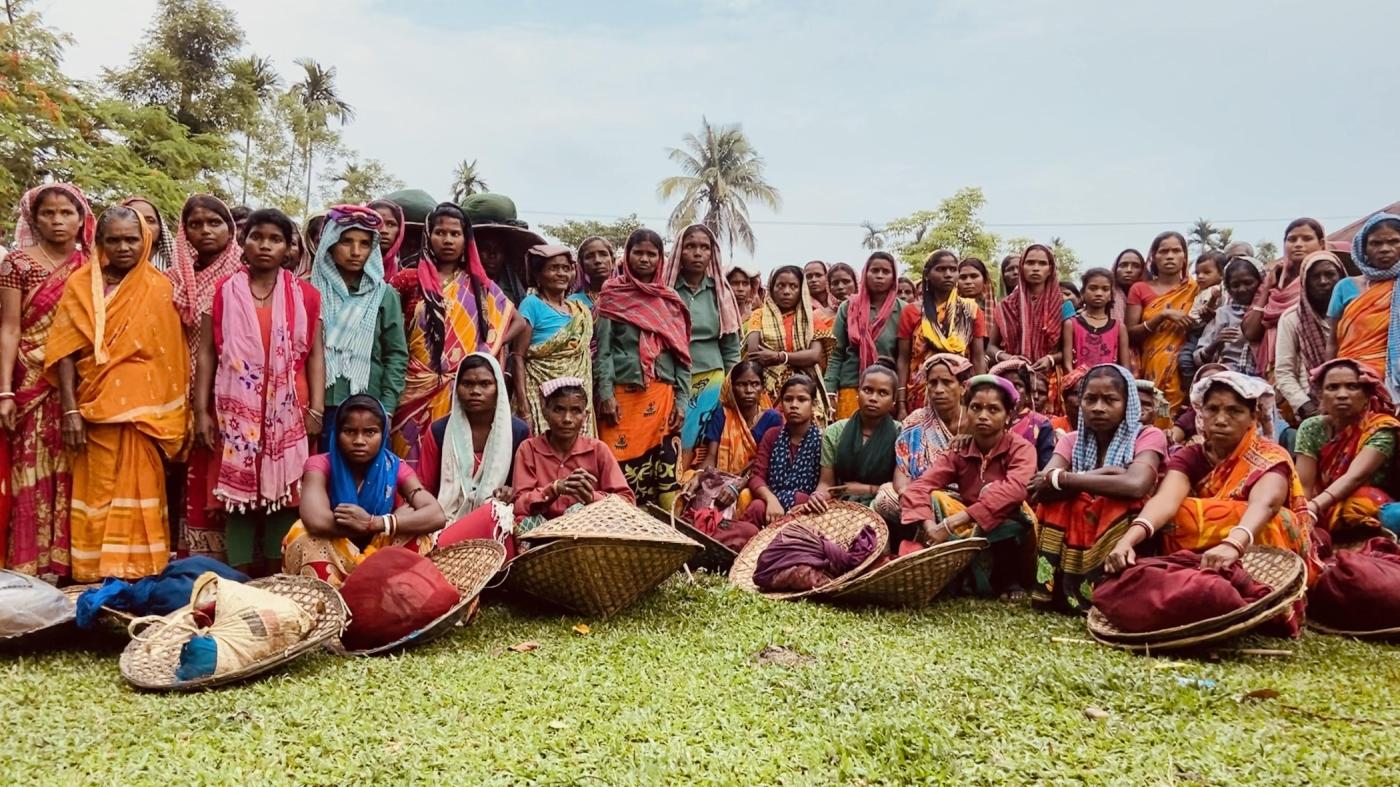
Tea Garden Communities
The rapid expansion of tea plantations led to the formation of vibrant tea garden communities. Workers from different regions of India settled in Assam, bringing with them diverse languages, traditions, music, festivals, and cuisines. Over generations, these communities developed a unique cultural identity that forms an important part of Assam's multicultural heritage today.
Tea gardens are not only centers of production but also homes to millions of people whose traditions and lifestyles continue to enrich the cultural diversity of the state.
Tea and Tourism
Today, Assam's endless green tea gardens are among its most popular tourist attractions. Visitors from across India and around the world travel to experience the scenic beauty of the plantations, witness traditional tea processing, enjoy tea tasting sessions, and stay in beautifully restored colonial-era tea bungalows.
Destinations such as Jorhat, Dibrugarh, Tinsukia, and Golaghat have become well-known for tea tourism, offering travelers an opportunity to explore the history, culture, and natural beauty of Assam's famous tea estates.
Historical Importance
The establishment of the tea industry in 1837 transformed Assam forever. It introduced new agricultural practices, expanded trade, improved transportation, and connected the region with international markets. Although the industry developed under British colonial rule, it eventually became one of Assam's greatest economic strengths.
Even today, tea remains central to Assam's identity, providing livelihoods to millions of people and contributing significantly to India's economy. Assam produces more than half of India's total tea output and continues to be recognized as one of the world's premier tea-growing regions.
Legacy of Assam Tea
More than 180 years after the first tea garden was established at Chabua, the Assam Tea Industry remains a source of immense pride for the state. The lush green plantations, historic tea estates, and globally celebrated Assam Tea represent a remarkable blend of history, agriculture, culture, and entrepreneurship.
The rise of the Assam Tea Industry is not only a story of economic development but also one of resilience, innovation, and global recognition. It continues to shape the identity of Assam and stands as one of the most important milestones in the journey through the state's rich and fascinating history.
Tea Heritage Gallery
Explore the breathtaking tea gardens, plantations, workers, and landscapes that have made Assam famous across the world.
Historic Tea Gardens
Tea Plantations
Tea Garden Workers
"The fragrance of Assam Tea carries the story of a land where nature, history, and hard work blend into every cup."
— Journey Through Time of Assam