
Indian Independence
Assam Enters a New Era as Part of Independent India
A New Chapter in Assam's History
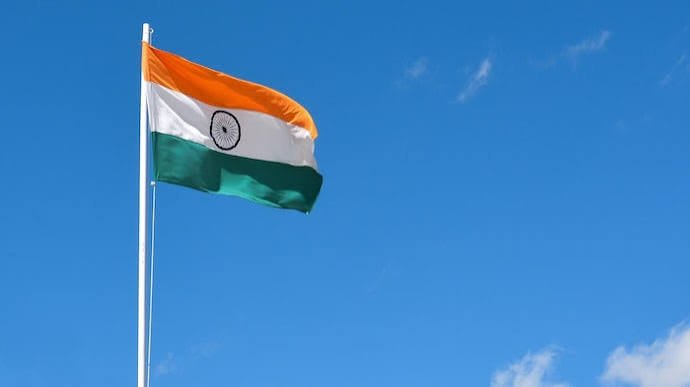
On 15 August 1947, India achieved independence after nearly two centuries of British colonial rule. For Assam, this historic moment marked the end of colonial administration that had begun with the Treaty of Yandabo (1826). As one of the original states of independent India, Assam entered a new era focused on democratic governance, economic development, cultural preservation, and national unity while continuing to celebrate its unique heritage.
Assam Under British Rule
Before India gained independence, Assam remained under British colonial administration for more than 120 years. British rule in Assam began after the signing of the Treaty of Yandabo on 24 February 1826, which ended the First Anglo-Burmese War. During this period, the British introduced modern administration, railways, schools, roads, and commercial tea plantations. While these developments modernized parts of Assam, colonial policies also focused on exploiting the state's rich natural resources, including tea, oil, coal, and forests.
Assam gradually became one of the most important provinces of British India because of its vast tea estates, petroleum reserves, and strategic location in Northeast India. However, the benefits of economic growth were uneven, and many local communities continued to struggle under colonial taxation, limited political representation, and economic inequality.
Assam's Contribution to India's Freedom Movement
The people of Assam actively participated in India's struggle for independence. Inspired by the national movement led by Mahatma Gandhi and other freedom fighters, many Assamese leaders organized protests, public meetings, and campaigns demanding self-rule. Students, teachers, farmers, writers, and ordinary citizens joined together to oppose British policies through peaceful resistance and civil disobedience.
The freedom movement in Assam reflected the state's deep commitment to justice, equality, and national unity. People from different communities worked together to support the vision of an independent India while preserving Assam's unique cultural identity.
Gopinath Bordoloi – The Architect of Modern Assam
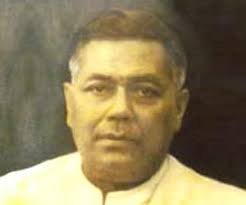
One of the most respected leaders of Assam's freedom movement was Lokapriya Gopinath Bordoloi. A dedicated nationalist and statesman, he played a vital role in protecting Assam's political interests during the final years of British rule. His leadership ensured that Assam remained an integral part of India during the Partition of 1947.
After independence, Gopinath Bordoloi became the first Chief Minister of Assam and worked tirelessly to strengthen education, improve public administration, promote tribal welfare, and encourage balanced development throughout the state. His remarkable contribution earned him the Bharat Ratna, India's highest civilian award, posthumously in 1999.
Other Freedom Fighters from Assam
Alongside Gopinath Bordoloi, many other leaders made significant contributions to India's independence movement. Tarun Ram Phukan inspired political awareness among the people, while Chandraprabha Saikiani worked for women's education, social reform, and equal rights. Kanaklata Barua became a symbol of youthful courage after sacrificing her life while carrying the Indian national flag during the Quit India Movement in 1942.
The sacrifices of these leaders continue to inspire generations of Assamese people and remain an important part of the state's historical legacy.
The Quit India Movement in Assam
The Quit India Movement of 1942 witnessed enthusiastic participation across Assam. Demonstrations, student protests, and acts of civil disobedience spread throughout the province despite strict action by the British administration. Many freedom fighters were imprisoned, while others sacrificed their lives for the dream of an independent nation.
The movement strengthened the spirit of nationalism in Assam and reinforced the determination of its people to end colonial rule permanently.
Partition and Its Impact on Assam
India's independence in 1947 was accompanied by the Partition, which divided British India into India and Pakistan. The creation of East Pakistan (present-day Bangladesh) significantly affected Assam because of its long international border and close historical connections with neighboring regions.
Partition brought new administrative challenges, changes in trade routes, migration, and demographic shifts. Despite these difficulties, Assam continued to play an important role in strengthening India's northeastern frontier while maintaining harmony among its diverse communities.
A New Beginning for Assam
On 15 August 1947, Assam officially became one of the constituent states of independent India. Independence marked the beginning of democratic governance and opened new opportunities for political participation, economic development, and social progress.
The years following independence saw improvements in education, healthcare, transportation, communication, agriculture, and industry. Assam's tea gardens, oil fields, natural gas reserves, forests, and river systems became important contributors to the nation's economy.
Growth of Modern Assam
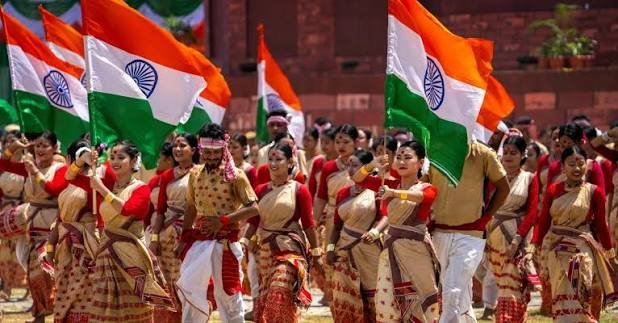
After independence, Assam experienced rapid modernization while preserving its rich cultural heritage. Universities, research institutions, roads, bridges, airports, and public services expanded across the state. Festivals such as Bihu continued to strengthen Assamese identity, while the state's wildlife sanctuaries, historical monuments, and tea gardens attracted visitors from around the world.
Today, Assam is recognized as one of India's most culturally diverse states and serves as an important gateway to Northeast India.
Historical Importance
Indian Independence marked the beginning of a new chapter in Assam's long and remarkable history. It ended colonial rule, restored self-governance, and provided the people of Assam with the opportunity to shape their own future within the world's largest democracy.
The contributions of Assamese freedom fighters, political leaders, students, and ordinary citizens remain an enduring source of pride. Their sacrifices ensured that future generations could live in a free and democratic nation.
Legacy of Independence
More than seven decades after independence, Assam continues to grow while honoring its rich historical legacy. From the mighty Brahmaputra River and world-famous tea gardens to vibrant festivals, ancient monuments, and diverse communities, the state represents a unique blend of tradition and progress.
The story of Indian Independence in Assam reminds us that freedom was achieved through unity, courage, sacrifice, and determination. It remains one of the most significant milestones in the journey through the history of Assam and continues to inspire people to preserve the state's heritage while building a brighter future.
Independence Gallery
Discover the leaders, events, and symbols that shaped Assam's journey into independent India.
15 August 1947
Gopinath Bordoloi
The Tricolour of Freedom
"Freedom is not merely the end of colonial rule—it is the beginning of a nation's responsibility to preserve its heritage, protect its people, and shape its future."
— Journey Through Time of Assam