
Modern Assam
Where Ancient Heritage Meets Modern Progress
Modern Assam – A Journey of Growth, Culture and Sustainability
Since India's independence in 1947, Assam has undergone remarkable transformation while preserving its rich cultural traditions and natural heritage. Today, the state is known not only for its world-famous tea gardens and the mighty Brahmaputra River but also for its thriving cities, modern infrastructure, globally recognized wildlife sanctuaries, educational institutions, and growing tourism industry. Modern Assam beautifully combines centuries-old traditions with innovation, making it one of Northeast India's most dynamic and diverse states.
The Transformation of Assam After Independence
When India achieved independence on 15 August 1947, Assam entered a new era of growth and opportunity. After more than a century of British administration, the state began shaping its own future within the Republic of India. The years following independence witnessed remarkable changes in governance, education, transportation, agriculture, and industrial development. Despite facing challenges such as floods, changing political boundaries, and rapid urbanization, Assam steadily emerged as one of the most significant states in Northeast India.
Today, Assam serves as the gateway to Northeast India, connecting the region with the rest of the country through highways, railways, airports, and inland waterways. The state's strategic location has made it an important center for trade, tourism, education, and commerce. Modern Assam continues to embrace development while preserving the traditions and cultural values that define its identity.
The Tea Capital of the World
One of the greatest symbols of modern Assam is its globally renowned tea industry. Assam produces more than half of India's tea and is recognized worldwide for its premium-quality black tea, known for its bold flavor, rich aroma, and bright color. Vast stretches of lush green tea estates across Dibrugarh, Tinsukia, Jorhat, Golaghat, Sonitpur, and other districts create some of the most beautiful landscapes in the country.
The tea industry continues to provide employment to millions of people, contributing significantly to the state's economy. Assam Tea is exported to numerous countries and remains one of India's most valuable agricultural products. Tea tourism has also become increasingly popular, allowing visitors to experience tea gardens, colonial-era bungalows, tea factories, and traditional tea tasting sessions.
Natural Resources and Industrial Development
Apart from tea, Assam possesses abundant natural resources that have supported industrial development for decades. The state is one of India's leading producers of crude oil and natural gas. Historic oilfields such as Digboi, often referred to as the birthplace of the Indian petroleum industry, continue to hold historical and economic significance.
Assam is also known for its coal reserves, limestone deposits, bamboo resources, silk production, and agricultural output. Industries based on petroleum, fertilizers, food processing, handloom, handicrafts, and bamboo products have expanded steadily over the years, creating employment opportunities and strengthening the regional economy.
Guwahati – The Gateway to Northeast India
Guwahati has transformed into the largest and most important city in Northeast India. Situated on the banks of the mighty Brahmaputra River, the city serves as the commercial, educational, healthcare, and transportation hub of the region. Modern shopping centers, universities, technology parks, hospitals, hotels, and cultural institutions have turned Guwahati into a rapidly growing metropolitan city.
Despite rapid urban development, Guwahati continues to preserve its spiritual heritage through iconic landmarks such as the Kamakhya Temple, Umananda Temple, Navagraha Temple, and numerous historic sites that attract pilgrims and tourists throughout the year.
Wildlife Conservation and Eco-Tourism
Modern Assam has earned international recognition for its commitment to wildlife conservation. The state is home to several national parks and wildlife sanctuaries that protect rare and endangered species. Kaziranga National Park, a UNESCO World Heritage Site, is famous for sheltering the world's largest population of the one-horned rhinoceros. Visitors also encounter elephants, Bengal tigers, swamp deer, wild buffaloes, and hundreds of bird species.
Another UNESCO World Heritage Site, Manas National Park, is celebrated for its exceptional biodiversity and conservation efforts. Together with Pobitora Wildlife Sanctuary, Orang National Park, Dibru-Saikhowa National Park, and Nameri National Park, these protected areas demonstrate Assam's dedication to preserving nature for future generations.
Culture That Continues to Thrive
Even as Assam embraces modernization, its cultural traditions remain vibrant and deeply respected. Festivals such as Rongali Bihu, Bhogali Bihu, and Kongali Bihu continue to unite people across the state. Traditional music, dance, handloom weaving, bamboo crafts, mask making, and Satriya dance preserve the artistic heritage passed down through generations.
Assamese silk, particularly Muga Silk and Eri Silk, enjoys international recognition for its exceptional quality and craftsmanship. Local artisans continue to create exquisite textiles, preserving centuries-old weaving traditions while supporting rural livelihoods.
Tourism in Modern Assam
Tourism has become one of the fastest-growing sectors of Assam's economy. Travelers from across India and around the world visit the state to experience its extraordinary combination of history, culture, wildlife, spirituality, and natural beauty. Destinations such as Majuli—the world's largest inhabited river island—offer visitors a glimpse into Assam's unique monastic culture and riverine lifestyle.
The mighty Brahmaputra River has become a major attraction through luxury river cruises, sunset experiences, and cultural tours. Historic towns like Sivasagar showcase magnificent Ahom monuments, while hill destinations, waterfalls, tea gardens, and national parks offer unforgettable experiences for nature lovers and adventure enthusiasts.
Education, Technology and Infrastructure
Since independence, Assam has witnessed remarkable progress in education and infrastructure. Prestigious institutions such as IIT Guwahati, Gauhati University, Assam University, and numerous engineering and medical colleges have contributed significantly to higher education and research. Students from across the country now choose Assam as a destination for academic excellence.
Modern highways, railway networks, airports, bridges, digital services, and internet connectivity have improved accessibility across the state. Major infrastructure projects such as the Bogibeel Bridge and the Dhola–Sadiya Bridge have strengthened connectivity between remote regions, encouraging economic growth and regional integration.
A Sustainable Vision for the Future
Today, Assam is focusing on sustainable development by promoting renewable energy, eco-tourism, wildlife conservation, organic farming, and environmental protection. Government initiatives encourage digital governance, entrepreneurship, skill development, startup innovation, and investment while ensuring that traditional culture and biodiversity remain protected.
As Assam continues to grow, it stands as a remarkable example of how economic development and cultural preservation can coexist. Its rich history, diverse communities, spectacular landscapes, and forward-looking vision make Modern Assam one of India's most inspiring states.
Conclusion
From the arrival of Sukaphaa in 1228 to the thriving state it is today, Assam's journey reflects resilience, unity, and continuous progress. Modern Assam celebrates its glorious past while embracing innovation and sustainable development. Whether admired for its tea gardens, ancient temples, colorful festivals, rich wildlife, or welcoming people, Assam remains a destination where history and the future come together in perfect harmony. The story of Modern Assam continues to evolve, inspiring generations and inviting the world to discover its timeless beauty.
Modern Assam Gallery
Explore the landscapes, wildlife, culture and development that define Modern Assam.

Modern Assam
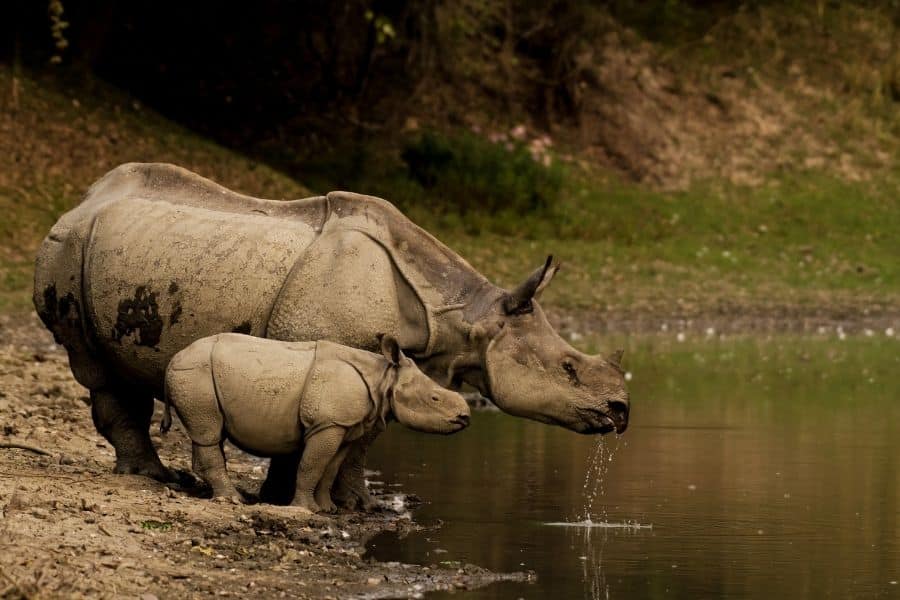
Kaziranga National Park
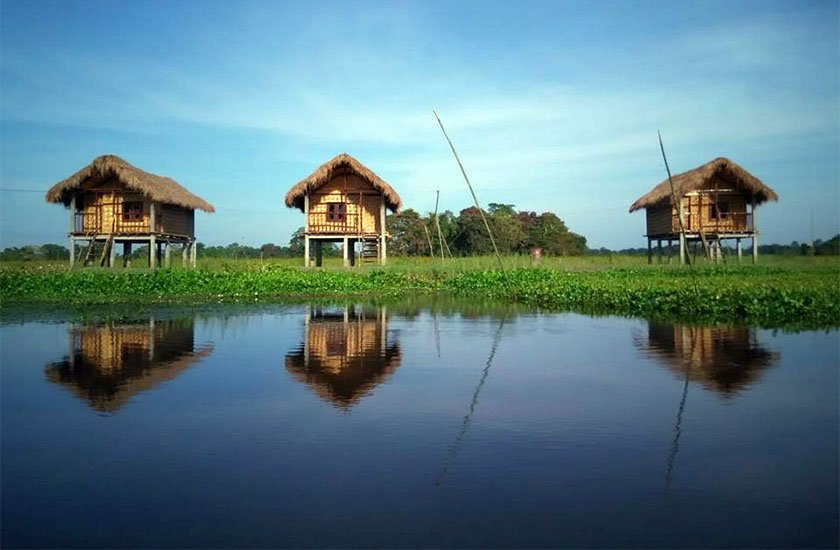
Majuli Island

Tea Gardens

Brahmaputra River

Rongali Bihu
"Modern Assam is where centuries of history, vibrant traditions, breathtaking nature, and innovation come together to build a brighter future."
— Journey Through Time of Assam