Sukaphaa's Arrival
The Beginning of the Ahom Dynasty and the Foundation of Modern Assam
The Foundation of the Ahom Kingdom
The arrival of Sukaphaa in 1228 CE is regarded as one of the most important turning points in the history of Assam. His vision, diplomacy and leadership laid the foundation of the Ahom Kingdom, a dynasty that ruled Assam for almost six centuries and shaped its culture, administration, traditions and identity.
The Arrival of Sukaphaa in Assam
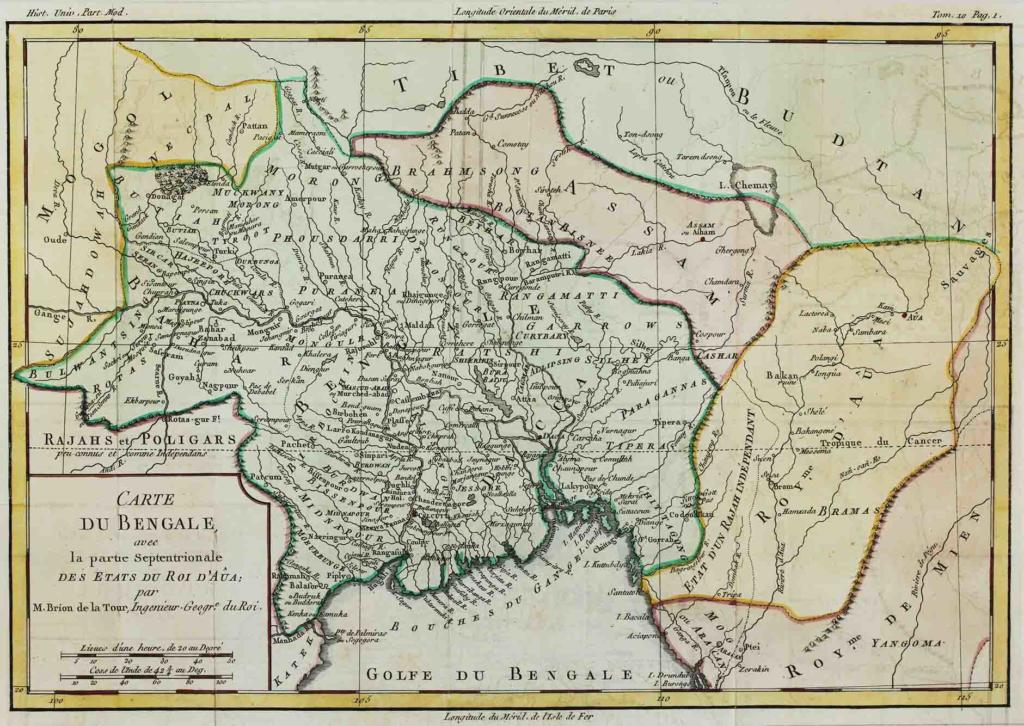
In the year 1228 CE, a Tai prince named Sukaphaa crossed the rugged Patkai Hills with nearly nine thousand followers, including soldiers, nobles, craftsmen, priests, elephants, horses, and their families. He travelled from the kingdom of Mong Mao, located near present-day Yunnan (China) and northern Myanmar, in search of fertile land and new opportunities. His arrival marked the beginning of one of the longest and most successful dynasties in Indian history.
Unlike many rulers of the medieval period, Sukaphaa did not rely solely on military conquest. Instead, he believed in diplomacy, peaceful settlement, and cooperation with local communities. This approach allowed him to establish strong relationships with indigenous tribes such as the Morans, Borahis, and other ethnic groups living in the Brahmaputra Valley.
Journey Through the Patkai Hills
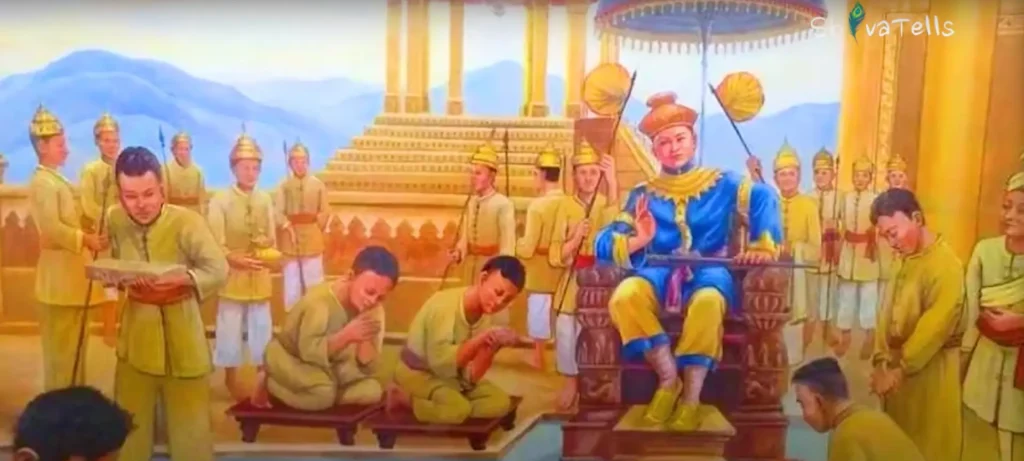
The journey into Assam was neither easy nor short. Sukaphaa and his followers crossed dense forests, mountain passes, rivers, and difficult terrain before reaching the fertile plains of Upper Assam. Historians believe that this expedition took several months and required exceptional planning and leadership.
Upon entering Assam, Sukaphaa immediately recognized the agricultural potential of the Brahmaputra Valley. Instead of forcing the local inhabitants into submission, he sought peaceful coexistence and gradually built alliances that would ensure long-term stability.
Establishment of the Ahom Kingdom
After settling in Upper Assam, Sukaphaa established the Ahom Kingdom, which would eventually become one of the most powerful kingdoms in northeastern India. Initially centered around Charaideo, the kingdom expanded steadily through wise administration, diplomacy, and military strength.
His governance focused on justice, efficient administration, agricultural development, and maintaining harmony among different communities. This balanced approach enabled the kingdom to prosper while preserving local traditions and customs.
Diplomacy Instead of Conquest
One of Sukaphaa's greatest achievements was his ability to unite diverse communities without unnecessary warfare. He encouraged intermarriage, trade, and cultural exchange between the Tai-Ahoms and indigenous tribes.
This policy created a multicultural society where different traditions, languages, and customs blended together. Over time, this cultural integration became one of Assam's greatest strengths and contributed to the unique Assamese identity that exists today.
Agriculture and Economic Development
Sukaphaa introduced advanced agricultural techniques, particularly wet-rice cultivation, which significantly improved food production across the region. He also encouraged irrigation projects, settlement planning, and land development.
These innovations transformed Upper Assam into one of the most productive agricultural regions of the time and laid the economic foundation for the future prosperity of the Ahom Kingdom.
Administration and Governance
The Ahom administration became renowned for its efficiency and organization. Although the famous Paik System evolved fully under later rulers, its foundations were established during Sukaphaa's reign through careful administrative planning and land management.
Village leaders, tribal chiefs, and local administrators were integrated into the kingdom's governance, ensuring that people from different backgrounds had a role in the administration of the state.
Military Organization
While Sukaphaa preferred diplomacy, he also recognized the importance of a strong military. His disciplined army protected the kingdom from external threats and ensured internal stability.
The military traditions established during his reign eventually enabled the Ahom Kingdom to successfully resist several powerful invasions, including the Mughal campaigns that culminated in the famous Battle of Saraighat in 1671.
Cultural Contributions
The Ahom rulers supported literature, architecture, religion, traditional crafts, and historical record-keeping. One of their greatest contributions was the preservation of history through the Buranjis, official chronicles that documented important events of the kingdom.
The royal burial mounds at Charaideo, known as the Maidams, remain one of the most significant archaeological and historical sites in Assam and stand as a lasting reminder of the Ahom civilization.
Legacy of Sukaphaa
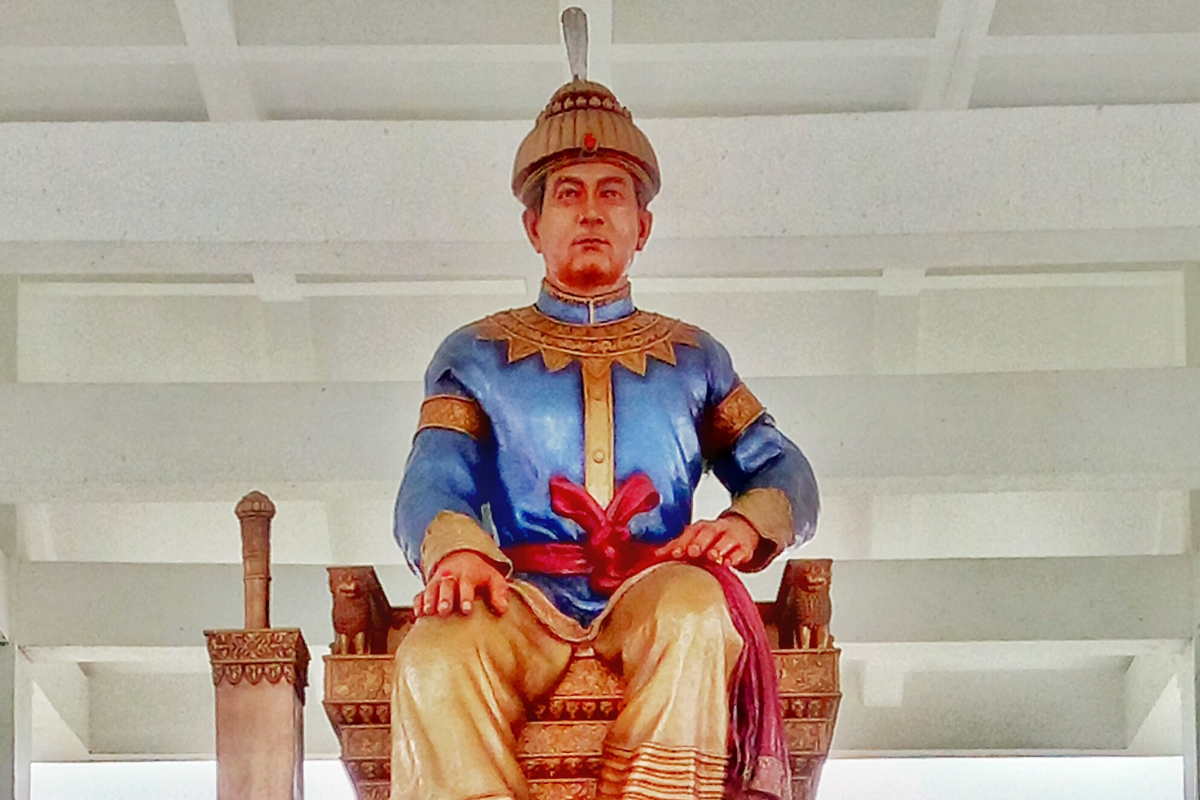
Sukaphaa ruled for nearly four decades and transformed a small settlement into the foundation of a kingdom that lasted almost 600 years. His vision of inclusive governance, peaceful coexistence, agricultural development, and efficient administration became the cornerstone of Assam's political and cultural evolution.
Today, Sukaphaa is remembered not only as the founder of the Ahom Kingdom but also as the architect of modern Assam. Every year, the people of Assam celebrate Asom Divas (Sukaphaa Divas) on December 2 to honor his extraordinary contribution to the state's history and identity.
Even after centuries, Sukaphaa's ideals of unity, tolerance, diplomacy, and cultural harmony continue to inspire the people of Assam. His remarkable journey across the Patkai Hills and the kingdom he established remain among the greatest chapters in the rich history of Northeast India.
Historical Gallery
Explore the places and legacy associated with Sukaphaa and the Ahom Kingdom.
Sukaphaa

Charaideo Maidams